


The healthcare system and health insurance in Spain
Moving to the beautiful regions of Alicante or Murcia brings many questions, and one of the most common is: "How does the healthcare system actually work?" Spain is known for having some of the best medical care in the world. However, for expats and part-time residents, there are a few options to consider to ensure you make the right choice for your specific situation.

Who needs health insurance in Spain?
If you are living and working in Spain, you generally pay Spanish income tax and social security in Spain. With this you are automatically entitled to use the Spanish health system.
If you’re not eligible for health insurance, you can pay for treatment yourself or take out a private health insurance plan. In some regions, you can register for a government-run scheme called convenio especial which provides social security cover for a basic monthly fee, ranging from 60€ to 157€ depending on your age.
EU/EEA/Swiss nationals: EU, EEA, and Swiss nationals who have reached retirement age in their home country are entitled to free healthcare in Spain. In order to qualify they must obtain an S1 form from their country of residence. Preparing this form before moving helps simplify the registration process. EU, EEA and Swiss residents staying in Spain on a temporary basis can use their European Health Insurance Card, which entitles them to receive medical treatment at the same cost as a Spanish national. With this card you can go to your local medical centre and you will be issued a temporal SIP card Temporary SIPs are issued by the Centro de Salud (health centres) for non-residents who needed healthcare when using their EHIC (European Health Insurance Card, previously known as the E111). This is done purely for the convenience of the health centres concerned
- Non-EU nationals: non-EU/EEA nationals may have to provide proof of private health insurance before getting a Spanish visa. Some non-EU nations, however, have an agreement in place with Spain. It’s important to know what you’re entitled to, so check with the consulate or embassy in your home country before arrival.
- Students: EU nationals studying in Spain will be covered by their EHIC throughout their period of study. Non-EU students, however, might need a private health insurance plan prior to arrival. Your university can provide more detail.

A Dual System: Public vs. Private Sector
in Spain, the public system (Seguridad Social) and the private sector exist side-by-side. Both offer high-quality care but follow different approaches.
The Public System: If you work in Spain or receive a pension from an EU country, you generally have access to state healthcare (via a SIP card). The quality of doctors is excellent, though—as in many countries—you may encounter waiting lists for specialists.
The Private Sector: Many newcomers opt for additional private health insurance. The main reasons are usually faster access to specialists and the multilingual support often found in private clinics. Furthermore, for certain residency visas (like the Non-Lucrative Visa), a private "no-co-payment" policy is often a mandatory requirement.
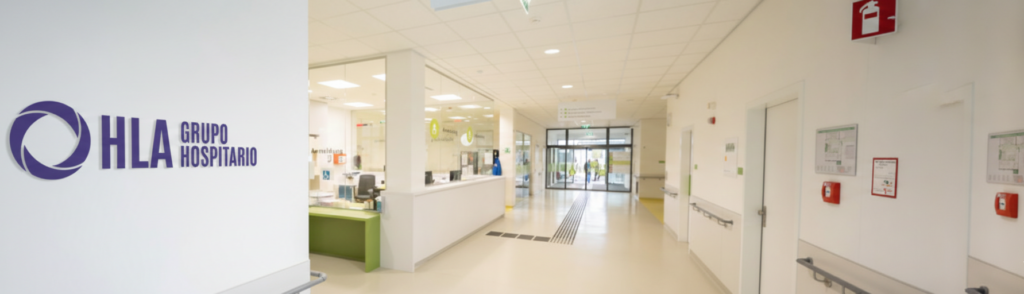
Quality of Care: A Closer Look at the HLA Group
If you choose the private route or take out a policy, it is important to know which hospitals you can access. In our region (Alicante and Murcia), the HLA Hospital Group (Grupo Hospitalario HLA) is one of the leading providers.
Facilities such as the Hospital HLA Vistahermosa in Alicante have an outstanding reputation. Here is why this might be relevant for you:
- International Departments: Clinics like the HLA Group are well-equipped for international patients. This often means that English is spoken, which can be a huge relief in medical situations.
- Modern Infrastructure: These clinics offer state-of-the-art technology and streamlined processes between diagnosis and treatment.
- Proximity: For those living in areas like Pinoso, Elda, or Sax, having access to top-tier clinics in nearby Alicante is a significant security factor.

Which Choice is Right for You?
There is no "one-size-fits-all" solution. Your choice depends on your residency status, age, and personal preferences. Some residents rely solely on the state system, while others appreciate the flexibility of a private policy to be able to visit major private hospitals like those in the HLA network directly if needed.

What to Look Out For:
If you are looking into private insurance, it’s worth checking a few details:
- Coverage: Are the major hospital networks (like HLA) in your local area included?
- Waiting Periods (Carencia): Are there specific timeframes before certain treatments can be used?
- Language Services: Does the insurance or the hospital provide translation services?
Summary: The Spanish healthcare system is robust and reliable. Whether you choose the public path or private coverage, the medical care in the region is of a very high standard.
Do you have questions about settling into the Alicante/Murcia region or need contacts for local experts? At Casabien Inlandvillas, we are happy to help you find your way in your new home!
Some of the largest private health insurance companies in Spain include: